


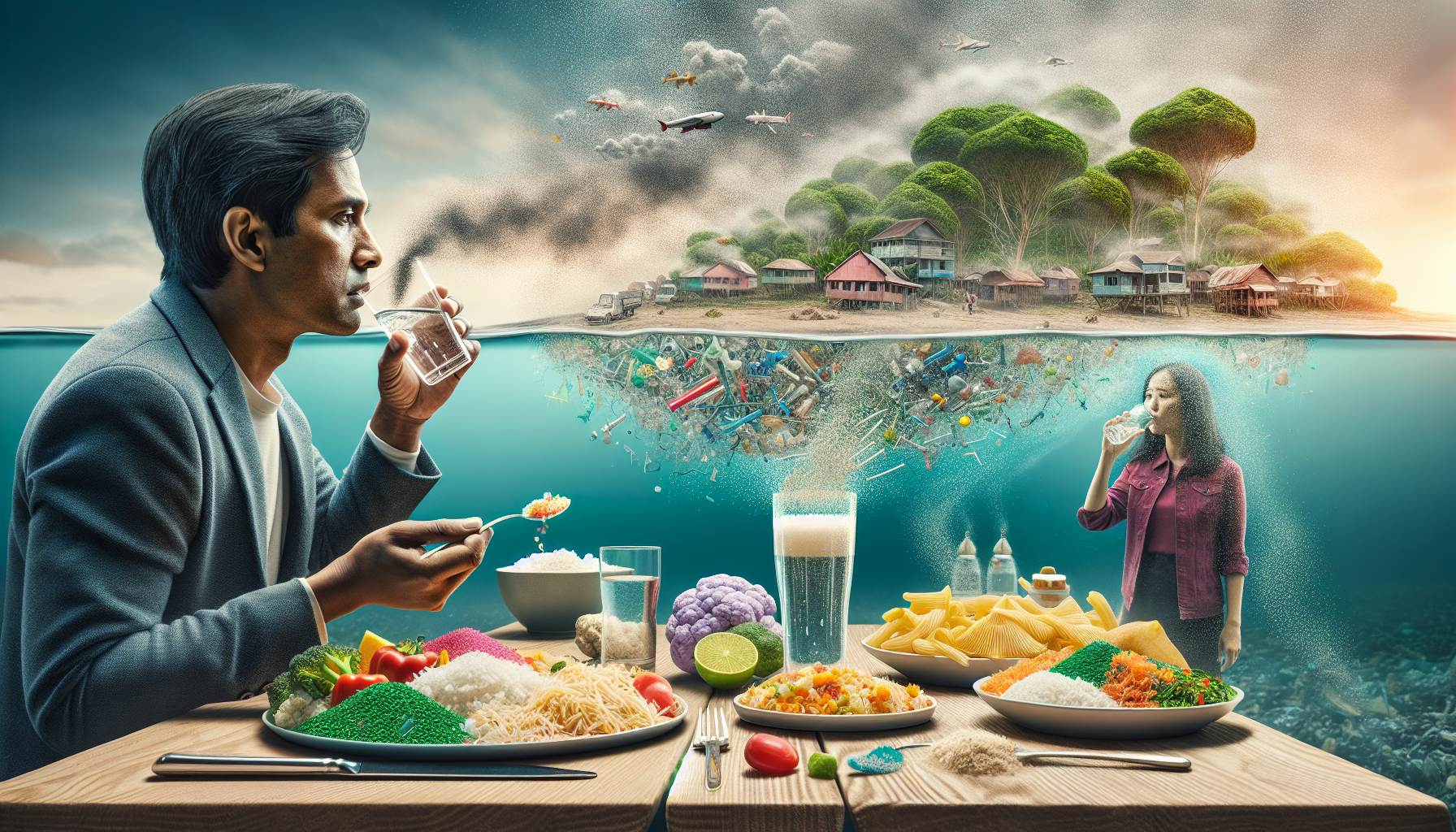
Imagine sitting down to enjoy a meal or sipping on a refreshing glass of water, only to unknowingly consume tiny, harmful particles that could affect your health. These particles are known as microplastics, and they’re infiltrating our food and water supplies at an alarming rate. In this article, we’ll delve into the dangers of microplastics, exploring how they enter our food chain, the potential health risks they pose, and what we can do to minimize our exposure.
What Are Microplastics?
Microplastics are small plastic particles, typically less than 5 millimeters in size, that result from the breakdown of larger plastic items or are manufactured intentionally for various uses. These minuscule fragments can be found virtually everywhere, from the deepest oceans to the highest mountain peaks. They’ve become an inescapable part of our environment, and unfortunately, our food and water sources are not immune to their presence.
How Do Microplastics Enter Our Food and Water?
The journey of microplastics into our food and water is complex and multifaceted. One primary pathway is through the consumption of seafood. Marine animals, such as fish and shellfish, often ingest microplastics present in the ocean, which then find their way onto our plates. Additionally, microplastics can contaminate agricultural products through the use of plastic mulch films and irrigation systems that inadvertently introduce these particles into the soil and subsequently into crops.
Water sources are equally vulnerable. Microplastics can enter drinking water through various means, including the breakdown of plastic bottles and pipes, as well as runoff from landfills and industrial sites. Even tap water and bottled water have been found to contain these tiny particles, making it challenging to avoid them entirely.
The Health Risks of Microplastics
While research on the health effects of microplastics is still in its early stages, the findings so far are concerning. Studies have shown that microplastics can cause physical harm to the digestive system, potentially leading to inflammation and other gastrointestinal issues. Moreover, these particles can carry harmful chemicals, such as bisphenol A (BPA) and phthalates, which are known endocrine disruptors and may contribute to various health problems, including reproductive issues and developmental disorders.
One particularly alarming aspect of microplastics is their ability to accumulate in the body over time. As we continue to consume these particles through our food and water, they can build up in our tissues and organs, potentially leading to long-term health consequences that we are only beginning to understand.
Minimizing Exposure to Microplastics
Given the pervasive nature of microplastics, completely eliminating exposure is nearly impossible. However, there are steps we can take to reduce our intake and protect our health. Here are some practical tips:
- Choose Fresh, Whole Foods: Opt for fresh fruits, vegetables, and minimally processed foods whenever possible. These items are less likely to contain microplastics compared to highly processed or packaged foods.
- Use a Water Filter: Investing in a high-quality water filter can help remove microplastics from your drinking water. Look for filters specifically designed to capture these tiny particles.
- Avoid Single-Use Plastics: Reducing your reliance on single-use plastics, such as bottles and bags, can help decrease the overall amount of plastic waste that eventually breaks down into microplastics.
- Support Sustainable Practices: Choose products from companies that prioritize sustainability and work to minimize their plastic footprint. By supporting these efforts, you can contribute to a larger movement aimed at reducing plastic pollution.
The Bigger Picture: Environmental Impact
Beyond the direct health risks to humans, microplastics pose a significant threat to the environment. These particles can accumulate in ecosystems, affecting wildlife and disrupting food chains. For instance, marine animals that ingest microplastics may experience reduced fertility, growth inhibition, and even death. As these effects ripple through the ecosystem, they can lead to broader ecological imbalances and loss of biodiversity.
Moreover, microplastics can act as vectors for other pollutants, such as heavy metals and persistent organic pollutants, which can further exacerbate environmental damage. The long-term impact of microplastics on our planet is a pressing concern that requires immediate action and ongoing research.
Conclusion
The presence of microplastics in our food and water is a growing concern that demands our attention. While the full extent of their health and environmental impacts is still being studied, the evidence we have so far suggests that these tiny particles pose significant risks. By taking steps to minimize our exposure and supporting efforts to reduce plastic pollution, we can help protect our health and the health of our planet. It’s time to take action against the invisible threat of microplastics and work towards a cleaner, safer future for all.