Hypoxia from Sleep Apnea May Promote Aneurysm Formation

Summary: A study from the University of Missouri School of Medicine and NextGen Precision Health found a link between obstructive sleep apnea and an increased risk of developing abdominal aortic aneurysms. The research showed that intermittent hypoxia caused by obstructive sleep apnea can make the aorta more susceptible to aneurysm formation, especially when combined with…


Read More

React Health Wins 2024 AARC Zenith Award

Summary: React Health was named a winner of the 2024 AARC Zenith Award by the American Association for Respiratory Care (AARC) for its contributions to the respiratory care profession. This year, the award process shifted to a nomination-based system, with AARC members selecting winners based on criteria like product quality, service, and industry support. The…

Read More

Poor Sleep Quality Directly Related to Mortality Risk, Researchers Say

Summary: A new study published in Aging reveals that poor sleep quality is strongly linked to increased mortality risk in older adults. Researchers from the National Institute on Aging and other institutions found that poor sleep exacerbates the risk of death, even after accounting for various lifestyle and health factors. The study also highlights differences…

Read More

Online Microaggressions Are Harming Black Women’s Sleep

Summary: A study from North Carolina State University found that Black women who witness vicarious online microaggressions—racial or gendered slights directed at others—experience poorer sleep quality. The research highlights the significant impact of vicarious online microaggressions on sleep, which can be more detrimental than in-person microaggressions. Key Takeaways: Vicarious Online Microaggressions Impact Sleep: Black women…

Read More

Sleep Tops New Parents’ Mental Health Needs, Owlet Survey Reveals

Summary: Owlet’s State of Parenting Report highlights the mental health challenges faced by new parents, with sleep deprivation, stress, and anxiety playing major roles. Parents, on average, lose three hours of sleep per night during their baby’s first year, contributing to feelings of exhaustion and overwhelming worry about their child’s health, particularly around illnesses and…

Read More

Disability, Equity, and Mental Health Research Webinar Series: Improving Mental Health Equity for Individuals with Neurodevelopmental Conditions: An Examination of Risk and Protective Factors and Potential Interventions

Date and Time October 10, 20241:00–2:30 p.m. ET OverviewEmerging research shows that depression, suicidality, and other mental health disorders are more common among autistic people and those with neurodevelopmental conditions compared to the general population. However, people with neurodevelopmental conditions have often been excluded from mental health research and clinical trials, leading to fewer treatment options…

Read More

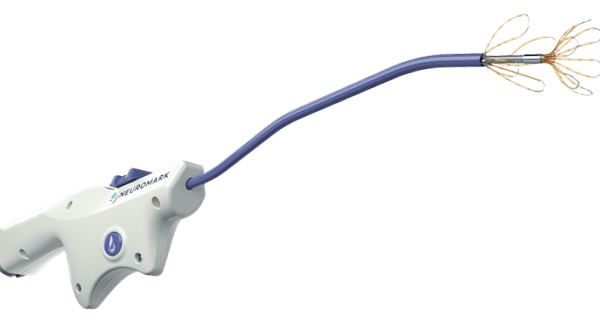
Neuromark Treatment Benefits Allergic and Nonallergic Rhinitis Patients, Study Shows

Summary: Neurent Medical’s PARAGON study showed positive six-month results for its Neuromark System, a radiofrequency ablation device for chronic rhinitis. The 80-participant trial demonstrated improvements in rhinitis symptoms, ear-related issues, and quality of life. Key findings include a significant reduction in Total Nasal Symptom Score (rTNSS), with 91% of participants achieving meaningful improvement. Ear symptoms…

Read More

Lumryz Reduces Narcolepsy Symptoms, Regardless of Use of Alerting Drugs

Summary: A post-hoc analysis of the phase 3 REST-ON trial demonstrated that Lumryz (sodium oxybate) improves narcolepsy symptoms, including wakefulness, cataplexy episodes, and daytime sleepiness, regardless of whether patients were also using alerting medications. Both groups—those taking and not taking alerting agents—experienced clinically meaningful improvements. The study highlights Lumryz’s potential as an effective treatment for…

Read More

Short Sleep While Pregnant Raises Risk of Neurodevelopmental Delays

Summary: A study published in the Journal of Clinical Endocrinology & Metabolism reveals that pregnant women who get less than seven hours of sleep per night may increase the risk of neurodevelopmental delays in their children. Researchers analyzed data from over 7,000 mother-child pairs in China, finding that short sleep duration during pregnancy is associated…

Read More