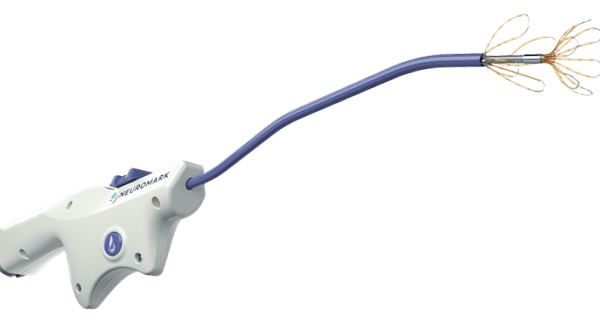
Neuromark Treatment Benefits Allergic and Nonallergic Rhinitis Patients, Study Shows

Summary: Neurent Medical’s PARAGON study showed positive six-month results for its Neuromark System, a radiofrequency ablation device for chronic rhinitis. The 80-participant trial demonstrated improvements in rhinitis symptoms, ear-related issues, and quality of life. Key findings include a significant reduction in Total Nasal Symptom Score (rTNSS), with 91% of participants achieving meaningful improvement. Ear symptoms…

Read More

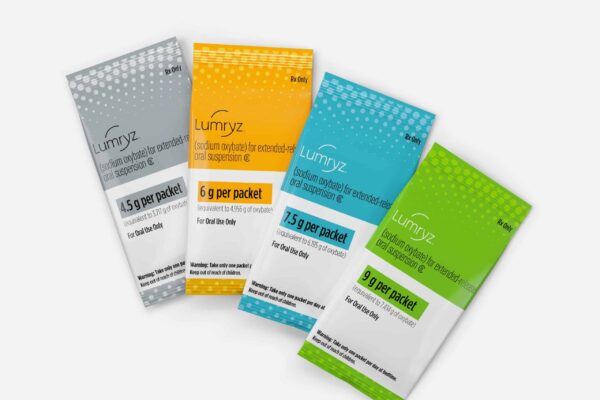
Lumryz Reduces Narcolepsy Symptoms, Regardless of Use of Alerting Drugs

Summary: A post-hoc analysis of the phase 3 REST-ON trial demonstrated that Lumryz (sodium oxybate) improves narcolepsy symptoms, including wakefulness, cataplexy episodes, and daytime sleepiness, regardless of whether patients were also using alerting medications. Both groups—those taking and not taking alerting agents—experienced clinically meaningful improvements. The study highlights Lumryz’s potential as an effective treatment for…

Read More

Short Sleep While Pregnant Raises Risk of Neurodevelopmental Delays

Summary: A study published in the Journal of Clinical Endocrinology & Metabolism reveals that pregnant women who get less than seven hours of sleep per night may increase the risk of neurodevelopmental delays in their children. Researchers analyzed data from over 7,000 mother-child pairs in China, finding that short sleep duration during pregnancy is associated…

Read More

Rome’s Seven Deadly Errors

Audio Transcript Today we talk about some of the deadliest errors of present-day Roman Catholicism. And over the next month, we look at Rome historically. This October, we’re celebrating the Reformation — Martin Luther’s great stand against the pope and against Rome’s spiritual abuses and theological errors. But Luther didn’t stand alone. Other men stood…

Read More

Wesper Protocol Cuts Hypoglossal Nerve Stimulation Titration Time by Nearly Half

Summary: A case study conducted by Wesper, a home-based sleep diagnostics provider, has demonstrated that its cloud-based platform can reduce the titration time for hypoglossal nerve stimulation (HGNS) in obstructive sleep apnea (OSA) patients by up to 45%. Typically, HGNS titration is a lengthy process involving the gradual adjustment of stimulation levels, which can take…

Read More